Adobe & Natural Home Building
in Hawke’s Bay
Alternative construction methods such as adobe, rammed earth, straw bale and light earth deliver exceptional performance - but they require the right expertise to execute well.
With our team of some of New Zealand’s most experienced natural building specialists, we’re able to approach alternative material builds with confidence, technical understanding and architectural backing.
If you’re serious about building differently in Hawke’s Bay, get in touch — we’re ready to explore what’s possible.
Learn about alternative methods
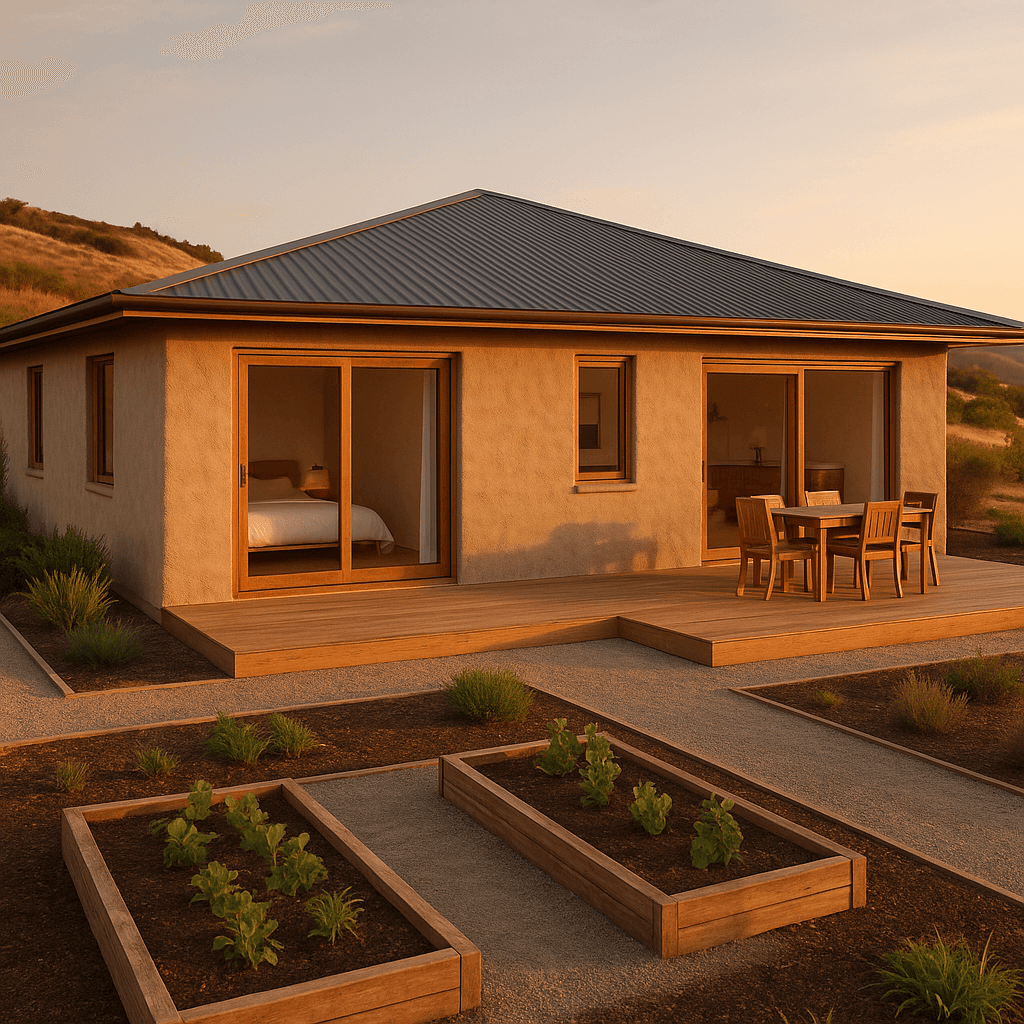
Adobe bricks and clay plaster are some of the world’s oldest and most trusted building materials.
Crafted from nothing more than things found in nature. Their strength and durability have been proven for centuries, with adobe homes standing for hundreds of years in some of the harshest climates.
Beyond their longevity, adobe and clay finishes create a truly healthy indoor environment. They are non-toxic, breathable, and free from harmful chemicals, helping regulate humidity, absorb odours, and maintain a stable, comfortable temperature year-round. Clay plaster adds a beautiful, warm, organic texture to interiors while also being naturally fire-resistant, pest-resistant, and incredibly easy to repair.
Choosing adobe and clay plaster means choosing sustainability, safety, and long-lasting comfort—a natural building system that supports the wellbeing of both your family and the planet.
Natural Insulation with Proven Thermal Performance
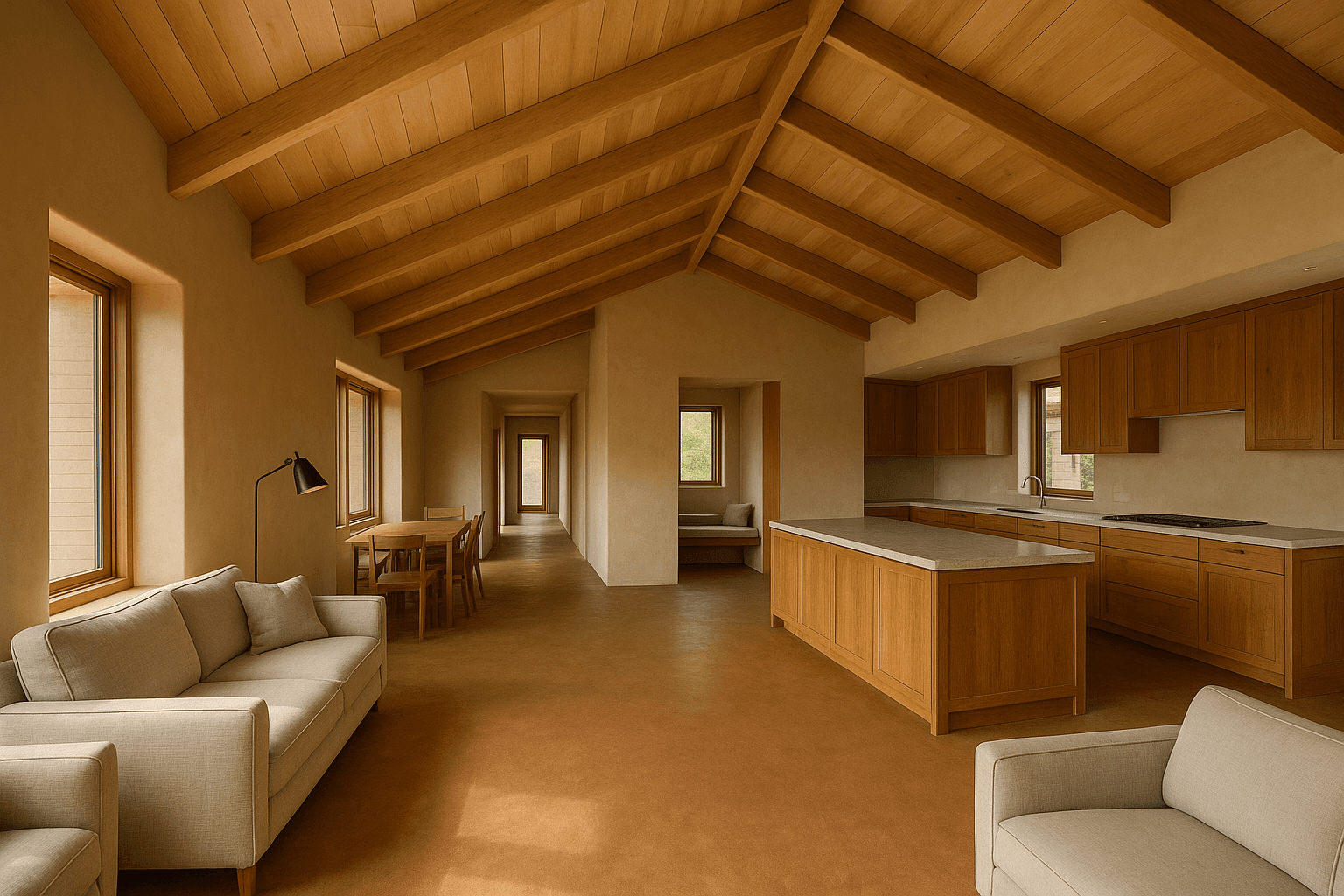
Adobe bricks are made from earth, sand, straw, and water, creating dense, breathable walls with exceptional thermal mass. This means they naturally store and release heat, helping to regulate indoor temperatures year-round.
Thermal mass: Adobe can absorb warmth during the day and release it at night, reducing the cost of additional heating or cooling.
In tests, adobe walls (250–350mm thick) outperform standard insulation in real-world temperature regulation, especially when paired with passive solar design.
A well-designed adobe home can achieve indoor temperature stability of 18–24°C without heating or cooling—even during seasonal extremes.
Moisture Regulation & Bathroom Performance
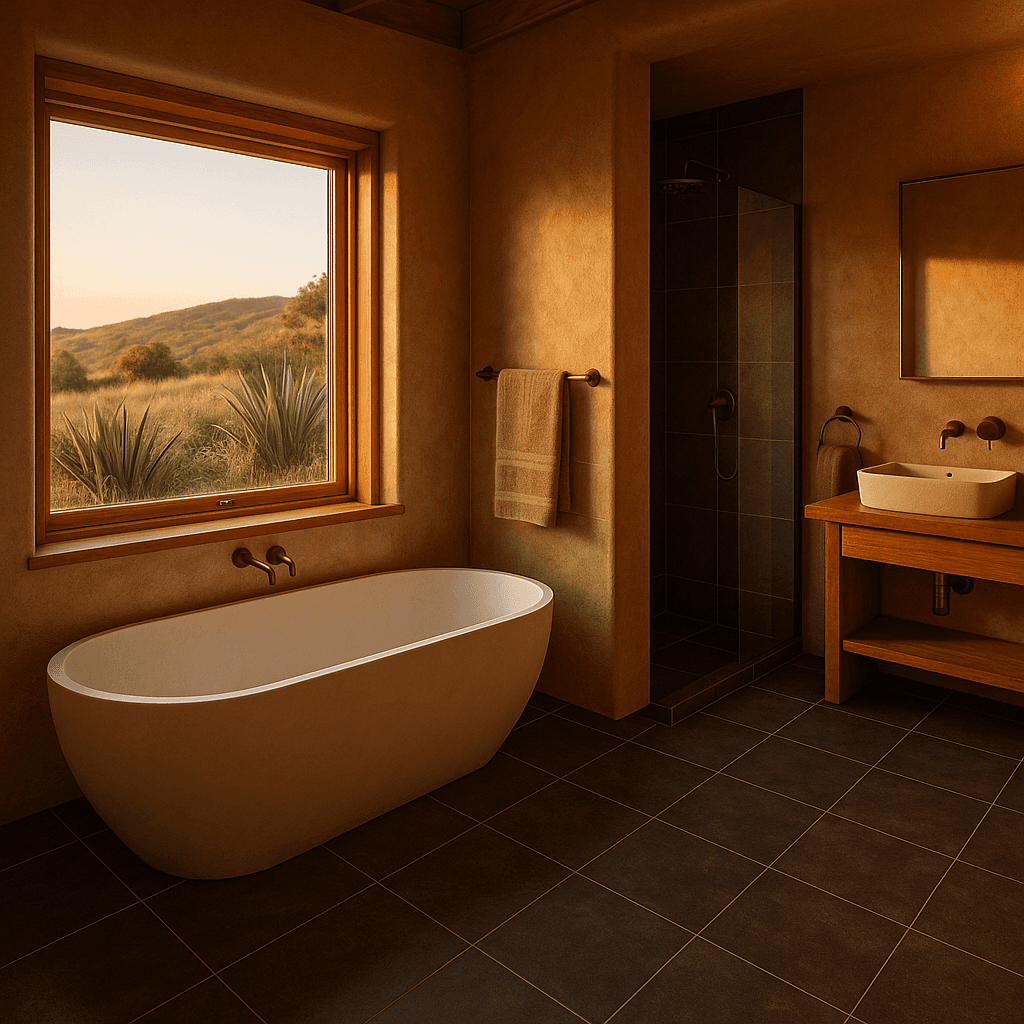
Clay plaster is breathable, allowing walls to naturally absorb and release humidity. This creates a healthier indoor environment by preventing condensation and mould growth.
Studies have shown that clay plaster can regulate indoor humidity between 40–60%, the ideal range for human health.
In a bathroom, clay plaster absorbs excess moisture during showers and gradually releases it back into the air—reducing the need for extractor fans and helping prevent mould or mildew.
Unlike gypsum or paint, clay doesn't trap moisture behind the surface—walls dry out naturally, preserving structural integrity.
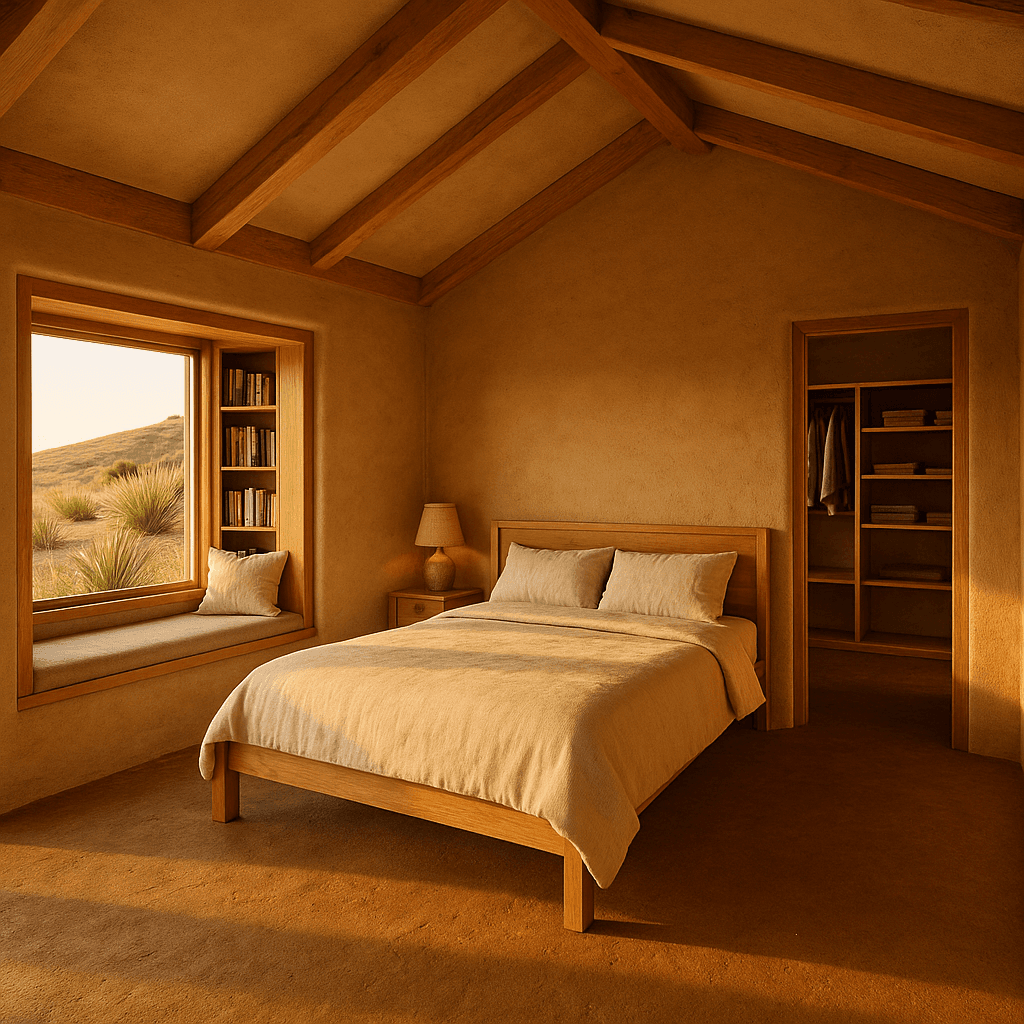
Health Benefits of a Breathable Home
Living in a home built with adobe and clay contributes to better health and wellbeing.
The humidity-regulating properties reduce allergens and respiratory irritants like mould spores and dust mites.
Clay surfaces are anti-static and non-toxic, meaning they don’t attract dust and won’t off-gas VOCs (volatile organic compounds) like synthetic materials.
Many people report improved sleep, lowered allergic reactions, and a deeper sense of calm in earth-built homes.